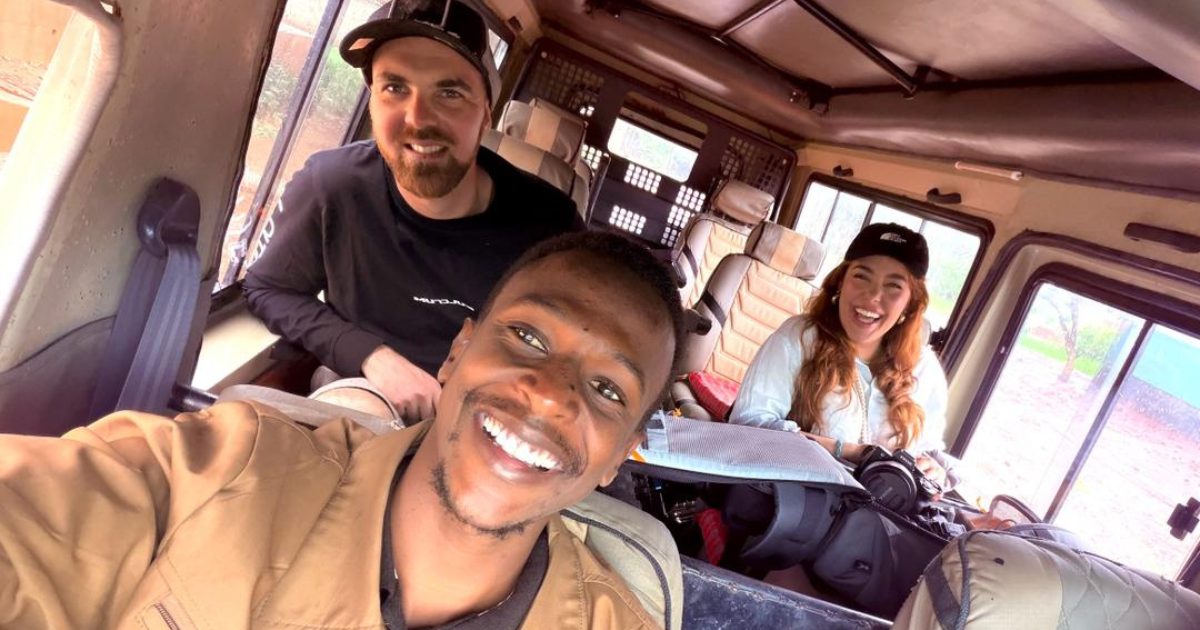
Is Volunteering in Tanzania Safe? If you are considering volunteering in Tanzania and safety is your number one question you are not alone.It is the single most searched question by volunteers, parents, and gap year travellers researching Tanzania before they commit. The honest answer is yes, volunteering in Tanzania is safe — but like any international destination, it requires awareness, preparation, and the right organization behind you. This guide covers everything you need to know about staying safe as a volunteer in Tanzania in 2026. Is Tanzania Safe for Volunteers in 2026? Tanzania welcomed over 2.14 million international visitors in 2024 and remains one of the most popular volunteer and safari destinations in East Africa. The vast majority of volunteers complete their programs without any safety incidents whatsoever. It is important to be aware however that in October 2025 the US State Department raised its Tanzania travel advisory from Level 2 to Level 3 — Reconsider Travel. Arusha where Hub for Impact operates sits in northern Tanzania, hundreds of kilometers from the Mtwara region. Standard volunteer, safari, and Kilimanjaro destinations are entirely unaffected by this advisory. Volunteers in Arusha are not in a high-risk zone. The UK Foreign Commonwealth & Development Office and Australian Department of Foreign Affairs both advise exercising normal safety precautions in Arusha — consistent with advice for most major African cities. Is Arusha Safe for Volunteers? Arusha is consistently described as one of Tanzania’s safest and most tourist-friendly cities. It is smaller and generally safer than Dar es Salaam, well-developed for international visitors, and home to a large permanent community of NGO workers, researchers, and international volunteers year-round. Known as the “Geneva of Africa” for its role hosting international tribunals and diplomatic organisations, Arusha is a confident, cosmopolitan city that is very accustomed to international visitors. The Tanzania Association of Tour Operators (TATO) has even established a dedicated police station for diplomatic and tourism related cases in Arusha — a strong signal of how seriously the city takes visitor safety. That said, like any city in the world, Arusha has areas of petty crime. The main risks volunteers should be aware of are: Pickpocketing and bag snatching in crowded markets and bus stations Street touts known locally as “flycatchers” who aggressively offer safaris and tours — these are a nuisance but not dangerous Scams targeting tourists — always use trusted, recommended service providers for excursions and transport Walking alone at night in poorly lit areas — avoid this as you would in any city None of these risks are unique to Tanzania. They are the same common-sense precautions you would apply in any major city anywhere in the world. How Does Hub for Impact Keep Volunteers Safe in Arusha? At Hub for Impact we take volunteer safety extremely seriously. Here is exactly what we do to ensure every volunteer is safe, supported, and confident throughout their stay in Arusha: SECURE ACCOMMODATION Our volunteer house is located in Arusha city center in a quiet, safe neighborhood with a gated compound and a 24/7 security watchman on site. Volunteers live together in a genuine community atmosphere you are never alone. AIRPORT PICKUP Every volunteer is met personally at Kilimanjaro International Airport by a member of our local team and transported safely to the volunteer house. You never need to arrange your own transport on arrival. FULL ORIENTATION On your first day in Arusha we run a comprehensive safety and cultural orientation covering safe areas of the city, transport options, health precautions, cultural customs, and everything you need to feel confident navigating life in Tanzania. 24/7 IN-COUNTRY SUPPORT Our entire support team is based in Arusha — not in an overseas office. If you need help, advice, or support at any time of the day or night, a real local person is always available to you. VETTED PLACEMENTS Every community placement we use whether a school, daycare centre, women’s group, or farm — is personally vetted by our local team. You will never be sent to an unsafe or unknown environment. Health and Medical Safety for Volunteers in Tanzania Health is one of the most important aspects of volunteer safety that people often overlook. Here is what you need to know before volunteering in Tanzania: MALARIA Tanzania is a malaria zone. You must take anti-malarial medication before, during, and after your stay. Consult your doctor or a travel health clinic at least 6–8 weeks before departure to get the right prescription for you. Bring good quality insect repellent and consider bringing a mosquito net for extra protection. VACCINATIONS The following vaccinations are commonly recommended for Tanzania: Hepatitis A and B Typhoid Yellow Fever (required if arriving from a country where yellow fever is endemic) Tetanus, Diphtheria, and Polio (ensure up to date) Rabies (recommended for longer stays) Always consult your doctor or travel health clinic for personalised vaccination advice before departure. WATER SAFETY Do not drink tap water in Arusha. Always drink bottled or filtered water our volunteer house provides safe drinking water at all times. Be cautious with ice in drinks at local establishments. FOOD SAFETY Our volunteer house cook prepares all meals to high hygiene standards. When eating out in Arusha, choose busy, reputable restaurants and avoid food that has been sitting out in the heat. TRAVEL INSURANCE Travel insurance is required for all Hub for Impact volunteers. We strongly recommend purchasing comprehensive travel insurance before departure that covers medical evacuation, hospitalisation, and trip cancellation. World Nomads, SafetyWing, and True Traveller are popular choices among international volunteers. Transport Safety for Volunteers in Arusha Getting around Arusha safely is straightforward when you know the right options: BOLT AND TRUSTED TAXIS Bolt (the East African equivalent of Uber) is the safest and most transparent way to get around Arusha. Fares are fixed and displayed before you travel no negotiation needed. Our team will show you how to use Bolt during your orientation. DALA DALAS Local minibuses known as dala dalas are the cheapest way to get around the