October 27, 2026/
Beyond Basic Voluntourism: Skill-Based Volunteering in Tanzania Looking to put your professional skills to work in East Africa? Discover how...
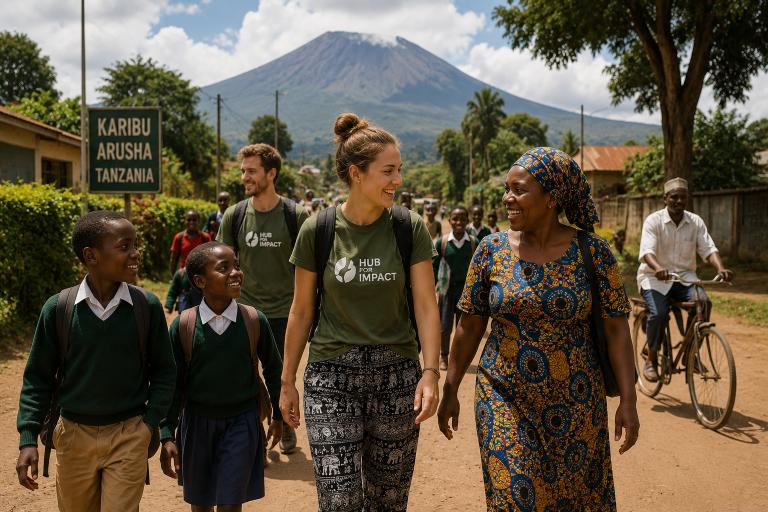
For decades, the standard model of international volunteering—often called “voluntourism”—has relied on short-term, low-skilled tasks. Well-meaning international travelers often spend a week painting a local school wall or assisting in short-term projects without passing on any long-term capacity to the host community.
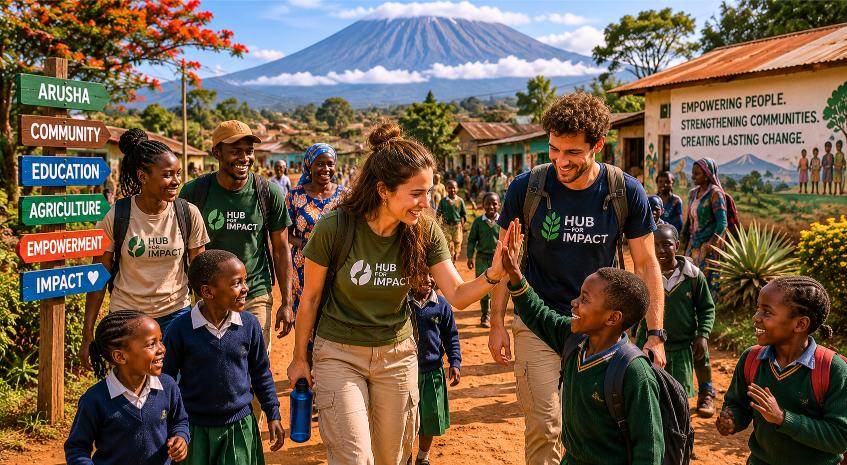
Skill-based volunteering focuses on matching specialized talents, professional expertise, and technical skills from international and local volunteers directly with the operational bottlenecks of grassroots organizations. Instead of doing short-term work for a community, skill-based volunteers collaborate with local youth and leaders, ensuring that knowledge, systems, and capabilities stay in Arusha long after the volunteer returns home.
The core flaw of traditional voluntourism is sustainability. When an unqualified volunteer performs tasks that local tradespeople could do, it can accidentally disrupt local labor markets.
Skill-based volunteering flips this dynamic on its head by prioritizing capacity building and skill transfer:
Sustainability: Rather than fixing a single broken bicycle, a mechanical volunteer trains local youth on bicycle maintenance techniques, creating self-sustaining micro-entrepreneurs.
True Need Matching: Volunteers are placed based on explicit requests from community leaders who identify specific operational gaps in their organizations.
Mutual Respect: The relationship shifts from “charity helper and recipient” to equal professional collaborators sharing knowledge across cultures.
If you are looking to turn your career experience, university studies, or personal passions into meaningful impact in Tanzania, here are the core skill areas currently driving grassroots growth in Arusha:
Local grassroots initiatives do incredible work on the ground every day, but many lack the digital tools to tell their story to global donors or potential partners. Volunteers skilled in photography, videography, website management, and social media marketing help build digital assets that secure funding for years to come.
Sports are one of the most powerful tools for youth engagement and life-skills education. Volunteers with backgrounds in athletic coaching, physical education, or sports management work alongside local coaches to build structured youth leagues, teach teamwork, and promote healthy lifestyles.
Hands-on technical expertise—such as bicycle mechanics, solar equipment setup, or computer hardware maintenance—provides immediate practical value. Volunteers run workshops that equip Arusha’s youth with vocational skills they can turn into employment or small businesses.
Medical students, nurses, and public health professionals participate in structured healthcare placements. Rather than conducting unsupervised medical procedures, skill-based medical volunteers assist local doctors, conduct public health awareness workshops, and help organize community health records.
Skill-based volunteering isn’t just impactful for host communities—it is a major catalyst for personal and professional development:
Cross-Cultural Problem Solving: Navigating project logistics in East Africa demonstrates resilience, adaptability, and leadership to future employers.
Portfolio Building: Media creators, digital marketers, and project managers leave Tanzania with tangible, real-world case studies to add to their resumes or professional portfolios.
Academic Credit & Internships: Many university students utilize skill-based placements at Hub for Impact to satisfy academic internship requirements in international development, public health, or communications.
Audit Your Core Strengths: Identify 2 to 3 practical skills you can confidently teach or implement (e.g., basic graphic design, coaching drills, camera operation, or Excel budgeting).
Focus on Training, Not Execution: Always design your daily workflow around teaching a local counterpart so your work can continue independently.
Embrace Local Context: Be ready to listen first. Understanding Arusha’s local culture, language (Swahili), and community dynamics is essential before applying your technical skills.
Beyond Basic Voluntourism: Skill-Based Volunteering in Tanzania Looking to put your professional skills to work in East Africa? Discover how...
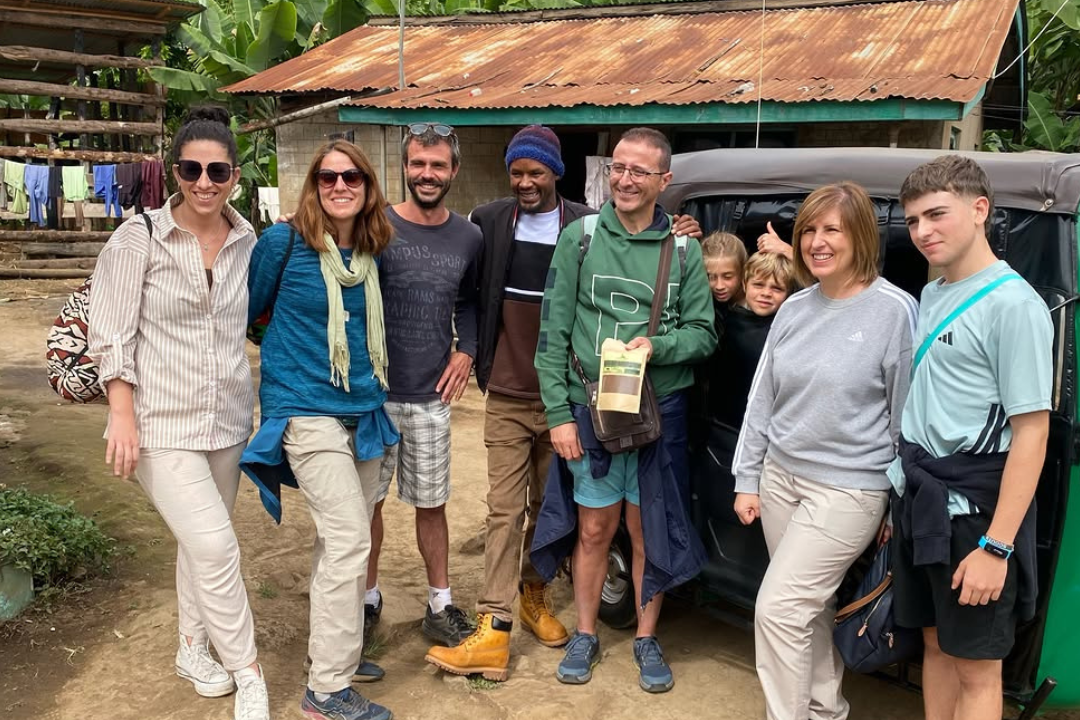
Family Volunteering in Tanzania — Everything You Need to Know Family Volunteering, Tanzania, Arusha, Volunteer Abroad, Family Travel, Kids Volunteering...
EDITABLE- -Complete Guide to Volunteering in Tanzania Stories from the field, volunteer experiences, Tanzania travel insights, and practical guidance for...
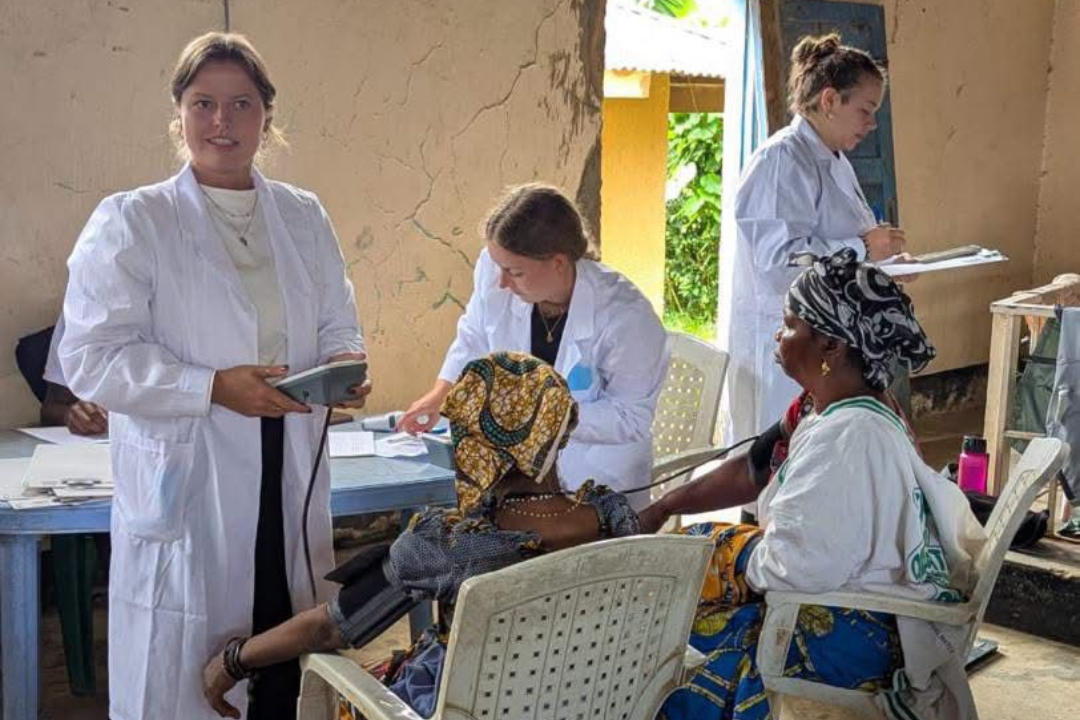
Discover what to expect, how to prepare, and how to make a meaningful contribution through ethical medical volunteering in Tanzania....