

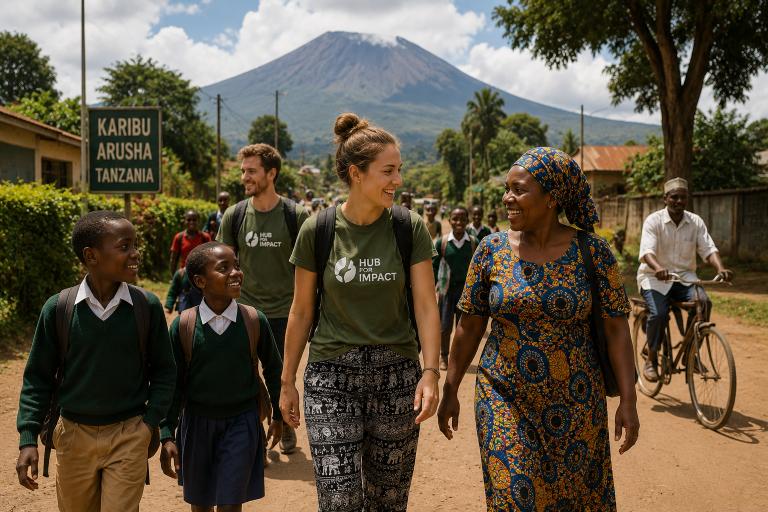
Discover Meaningful Travel, Community Impact, and Adventure in East Africa
Tanzania is more than safaris and Mount Kilimanjaro. Beyond the national parks and postcard views lies something even more powerful — vibrant communities, inspiring local initiatives, and opportunities to create real impact while experiencing authentic East African culture.
Every year, thousands of international volunteers travel to Tanzania to teach, support childcare programs, work with local farmers, empower women, and share valuable skills with grassroots organizations.
If you’re considering volunteering in Tanzania, this guide will help you understand everything you need to know before you go.
Why Volunteer in Tanzania?
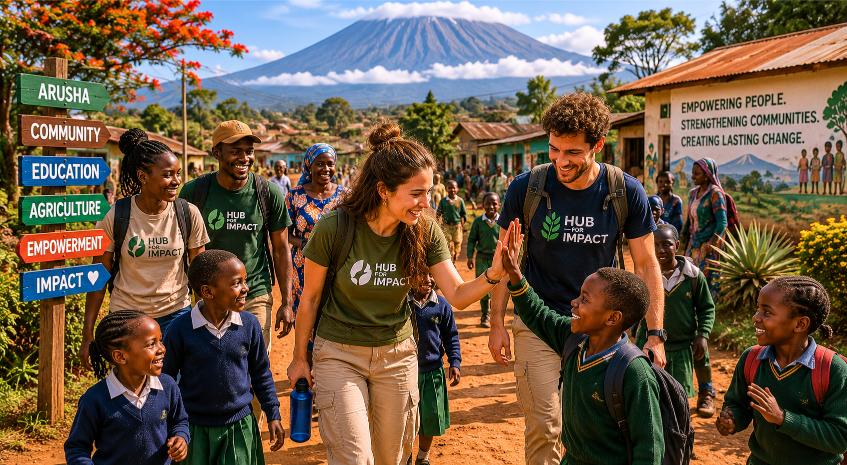
Tanzania offers one of the most meaningful volunteer experiences in Africa because of its strong sense of community, cultural warmth, and growing need for sustainable development support.
Unlike heavily commercialized destinations, volunteering in Tanzania still feels authentic and deeply human.
As a volunteer, you can:
- Support community-led projects
- Experience local Tanzanian culture
- Build meaningful relationships
- Develop new skills
- Explore incredible natural landscapes
- Combine impact with adventure
Whether you’re taking a gap year, traveling with purpose, or seeking a life-changing experience, Tanzania offers something unique.
Why Arusha Is One of the Best Volunteer Destinations
Arusha is considered the volunteering capital of northern Tanzania.
Located near Mount Kilimanjaro and Serengeti National Park, Arusha combines:
- Urban energy
- Rural community access
- International travel connections
- Cultural diversity
- Adventure tourism
Most volunteer programs are located in or around Arusha because it provides access to schools, NGOs, farming communities, childcare centers, and women’s empowerment initiatives.
It’s also one of the safest and most volunteer-friendly cities in East Africa.
Types of Volunteer Programs in Tanzania
Teaching English
Teaching programs support local schools where students are eager to improve conversational English and communication skills.
Volunteers may:
- Assist classroom teachers
- Lead English conversation sessions
- Create educational games and activities
- Help with exam preparation
- Support after-school clubs
No formal teaching qualification is required for most placements.
Childcare & Early Education
Childcare programs focus on supporting daycare centers and kindergartens that are often understaffed and under-resourced.
Volunteers help with:
- Play-based learning
- Feeding and care routines
- Educational activities
- Emotional support
- Early literacy exercises
These programs are ideal for patient, energetic, and compassionate volunteers.
Sustainable Agriculture
Agriculture is the backbone of Tanzania’s economy, especially in rural communities.
Agriculture volunteers work alongside local farmers to support:
- Permaculture projects
- Composting systems
- Irrigation initiatives
- Organic farming methods
- Water conservation techniques
This is a hands-on program ideal for volunteers interested in sustainability and environmental impact.
Women’s Empowerment
Women’s empowerment programs support vocational training centers and local women entrepreneurs.
Volunteers may assist with:
- English classes
- Financial literacy
- Business planning
- Tailoring workshops
- Marketing support
- Mentorship
These programs focus on long-term economic independence and community development.
Digital Skills & Marketing
One of the fastest-growing volunteer opportunities in Tanzania involves helping local businesses and NGOs develop digital skills.
Volunteers help with:
- Social media training
- Graphic design basics
- Website setup
- Digital marketing
- Content creation
- Branding support
This is a great option for creatives, marketers, designers, and developers.
What Are Volunteer Accommodations Like?
Most volunteer programs in Tanzania provide shared volunteer housing.
Accommodation is usually:
- Safe and secure
- Clean and comfortable
- Community-oriented
- Located near volunteer placements
Expect:
- Shared bedrooms
- WiFi access
- Hot water showers
- Common social areas
- Local meals prepared daily
Volunteer housing is designed to create community and connection rather than luxury tourism.
What’s Included in Volunteer Program Fees?
Most programs include:
- Airport pickup
- Accommodation
- Meals
- Orientation
- Placement coordination
- In-country support
- Emergency assistance
Flights, visas, travel insurance, and personal expenses are usually not included.
Transparent organizations clearly explain where volunteer fees go and how they support local communities.
Is Tanzania Safe for Volunteers?
Yes — Tanzania is generally considered one of the safer countries in East Africa for international visitors.
However, like any destination, volunteers should:
- Respect local customs
- Avoid isolated areas at night
- Follow guidance from local coordinators
- Keep valuables secure
- Use trusted transportation
Choosing a reputable local organization with strong support systems is extremely important.
Best Time to Volunteer in Tanzania
Tanzania can be visited year-round, but the most popular months are:
- June to October → Dry season, cooler temperatures
- December to February → Warm and sunny
- March to May → Rainy season
Volunteer programs typically operate throughout the year.
What to Pack for Tanzania
Essentials include:
- Lightweight clothing
- Comfortable walking shoes
- Sunscreen
- Insect repellent
- Reusable water bottle
- Power adapter
- Modest clothing for community settings
- Small backpack or day bag
Avoid overpacking. Tanzania is casual and practical.
How Long Should You Volunteer?
Most volunteers stay:
- 2–4 weeks for short-term experiences
- 1–3 months for deeper immersion
Longer stays usually create stronger community relationships and greater impact.
The Importance of Ethical Volunteering
Not all volunteer organizations operate responsibly.
Before choosing a program, ask:
- Is the organization locally connected?
- Do communities actually want volunteers?
- Are projects sustainable?
- Are fees transparent?
- Does the organization prioritize local leadership?
Ethical volunteering focuses on partnership, dignity, and long-term community benefit — not “saving” people.
Why Local-Led Organizations Matter
Many large international volunteer companies act as middlemen, taking large commissions while local communities receive only a small portion of volunteer fees.
Local-led organizations often provide:
- More authentic experiences
- Better cultural understanding
- Greater transparency
- More direct community impact
- Stronger local partnerships
Choosing local matters.
Final Thoughts
Volunteering in Tanzania is more than travel.
It’s connection. Perspective. Growth. Community.
You’ll experience incredible landscapes, unforgettable culture, and meaningful relationships — while contributing your time and skills to projects making real impact on the ground.
If you’re ready to combine adventure with purpose, Tanzania may become one of the most transformative experiences of your life.
Ready to Volunteer in Tanzania?
Explore our volunteer programs in Arusha and start your journey toward meaningful impact today.
One Comment
https://shorturl.fm/poozB